



Japanese Fishing Terms Explained: Ajing, Eging, Mebaring and More
Ajing, eging, mebaring, tairaba, gō, PE: Japanese lure fishing brought its vocabulary with it. Here is what each word means, and what the technique actually catches in UK water.
In this guide
Why UK tackle is full of Japanese words
Japanese lure fishing developed its own vocabulary, and because so much finesse tackle comes from Japan, the words came with it. Most are simple once you know them: they are usually the target species plus -ing.
The glossary
| Term | Say it | What it means |
|---|---|---|
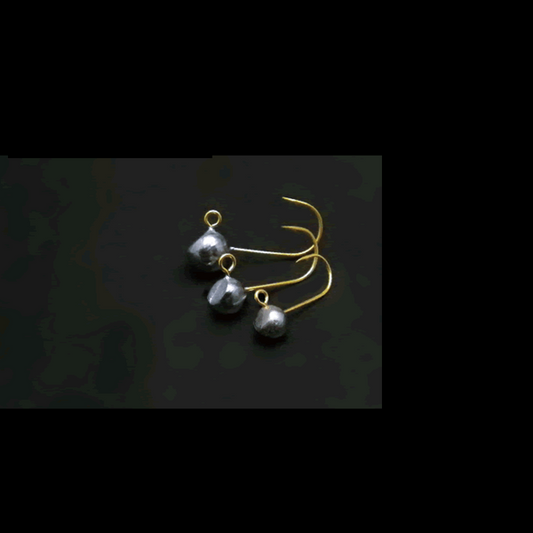
| Ajing | AH-jing | Fishing for aji (horse mackerel / scad) with tiny jigheads and soft plastics, usually 0.4–3 g. In the UK the same tackle is used for scad, small pollack and wrasse. |
| Mebaring | MEH-ba-ring | Fishing for mebaru (rockfish): night, close range, ultralight. The UK equivalent is light rock fishing for pollack and wrasse. |
| Eging | EH-ging | Squid fishing with an egi, the prawn-shaped jig with a spiked tail. Very effective for UK squid and cuttlefish in autumn and winter. |
| Tairaba | tie-RAH-ba | Slow-dropped skirted jig for bream and other bottom fish from a boat. |
| Shore jigging | As written | Casting metal jigs from rock or beach for mackerel, bass and pollack. Light shore jigging (LSJ) uses 15–40 g; full shore jigging goes far heavier. |
| Slow pitch jigging | As written | Boat technique using a fluttering jig worked in short lifts, letting the jig do the work on the fall rather than on the retrieve. |
| Rockfish / Hard rock | As written | Japanese shorthand for lure fishing structure for wrasse, pollack and similar. |
| Egi | EH-gee | The squid jig itself. Sized in gō (#2.5, #3.0, #3.5), where bigger is heavier and sinks faster. |
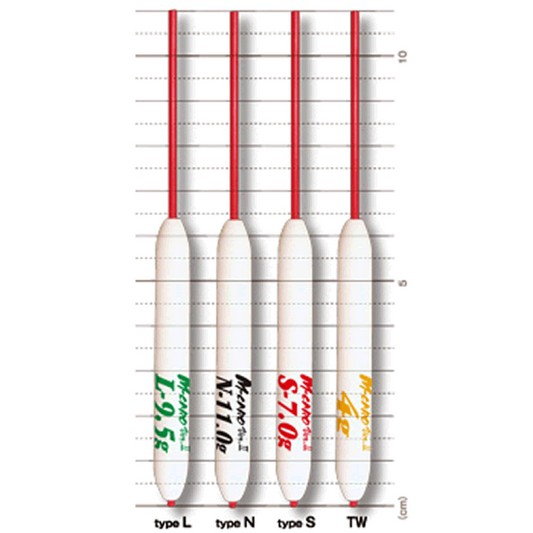
| Caro / M Caro | KAH-ro | A casting float or sinker that lets you fish a very light lure at distance: the answer to "how do I cast a 1 g jighead 40 m?". |
| Jighead / Jigpara | As written | Jig para is a brand family (Major Craft) that became shorthand for compact casting metal jigs. |
| Gō (号) | go | The Japanese size unit used for line, hooks, egi and leader. It measures diameter or physical size, never strength. |
| PE | pee-ee | Polyethylene braid. The number after it is a gō size, not a breaking strain. |
- Direct from Japan · 7–14 working days
VARIVAS
Avani Light Game Super Premium PE X4 #0.4 (8.5 lb) – 150m Natural Blue
£56.00




What these techniques actually catch in the UK
| Japanese technique | UK reality | Rough tackle |
|---|---|---|
| Ajing | Scad, small pollack, wrasse, mullet from harbour walls | 6–7 ft solid-tip rod, 500–2000 reel, PE 0.2–0.4, 0.5–3 g heads |
| Mebaring / LRF | Pollack, wrasse, rockling, mini species | 7 ft rod, C2000S reel, PE 0.4–0.6 |
| Eging | Squid and cuttlefish, autumn to spring, south and west coasts | 8–8.6 ft egi rod, 2500–C3000, PE 0.6–0.8, egi #3.0–3.5 |
| Light shore jigging | Mackerel, bass, pollack over deep water marks | 9–10 ft rod, 3000–4000, PE 1.0–1.5, jigs 15–40 g |
A caveat worth stating: these are Japanese techniques applied to UK species, and the fit is good but not perfect. Water temperature, tide and the species mix are different. Treat the tackle recommendations as a starting point, not gospel.
FAQ
What is ajing?
Ajing is Japanese light lure fishing for aji, the horse mackerel or scad, using very small jigheads of roughly 0.4 to 3 g with soft plastics on an ultralight rod. In the UK the same tackle and approach works for scad, small pollack, wrasse and mullet, usually from harbour walls and piers at night.
What is eging?
Eging is squid fishing with an egi, a prawn-shaped jig with a spiked tail that is worked in sharp upward jerks and allowed to sink. In the UK it catches squid and cuttlefish, mostly on the south and west coasts. The main squid season is October to December, and cuttlefish come inshore in spring.
What is the difference between LRF and ajing?
They overlap heavily. LRF, light rock fishing, is the British term for ultralight lure fishing around structure for whatever is there. Ajing is the Japanese term for the same style of tackle aimed specifically at aji. In practice UK anglers use the words interchangeably, and the rods and reels are the same.
What does gō or 号 mean on Japanese tackle?
Gō is the Japanese size unit used for line, hooks, leader and squid jigs. It measures diameter or physical size, not strength. That is why a PE 1.0 braid and a #1.0 hook share a number system but have nothing else in common, and why a PE number never tells you the breaking strain.
What is light shore jigging?
Light shore jigging, or LSJ, is casting compact metal jigs of roughly 15 to 40 g from rock marks and beaches, usually for mackerel, bass and pollack. Full shore jigging uses much heavier jigs and heavier tackle for larger predators.
What is a caro?
A caro is a casting weight or float used in ultralight fishing so that a very light lure can be cast a long way. It solves the basic problem of ajing and LRF, which is that a 1 g jighead has almost no casting weight on its own.
