


Eging for Squid in the UK: Egi Selection and Tackle Guide

Eging — the Japanese art of targeting squid with weighted prawn-imitation lures called egi — has quietly become one of the most rewarding light-tackle methods on the UK coast. If you have searched for how to get started with eging in the UK for squid, this guide covers the essentials: choosing egi sizes and sink rates, picking colours for the conditions, building the right rod, reel and PE-braid setup, mastering the jerk-and-pause retrieve, and knowing when and where to fish. The two species you are most likely to meet are the European squid (Loligo) and, increasingly, cuttlefish, both of which respond well to a properly worked egi.
In this guide
When and where to go eging in the UK
Squid follow bait and water temperature, and in UK waters the most consistent fishing runs from autumn through into winter — roughly October to February — when squid move closer inshore. A milder spring spell can also produce, and cuttlefish often show earlier in the year on the south coast.
The best marks share a common feature: deeper, cleaner water within casting range. Productive venues include:
- Harbour walls and breakwaters — deep water at your feet, often the easiest place to start and frequently the most productive after dark.
- Rock marks and ledges dropping into clear water, where squid hunt over kelp and sand edges.
- Piers and pontoons, especially where lights spill onto the water and draw baitfish at night.
- Estuary mouths on bigger tides, where clearer salt water pushes in.
Squid feed heavily through the low-light windows of dusk, dawn and into the night, so plan your session around those periods. Always check local rules and any seasonal access restrictions for your chosen mark before fishing.
Choosing your egi: size, sink rate and colour
The egi is the heart of the method. Getting size, sink rate and colour right for the conditions matters far more than buying the most expensive lure.
Egi size (the number on the box)
Egi are graded in a numbered system — the most useful sizes for UK shore eging are 2.5, 3.0 and 3.5:
- Size 2.5 — a smaller, lighter egi for shallow, calm or pressured water, and for smaller autumn squid. It casts less well into wind but tempts cautious fish.
- Size 3.0 — the all-round starting choice for most UK marks and conditions.
- Size 3.5 — the workhorse for deeper water, stronger tide and wind, and bigger winter squid. It casts further and gets down faster.
Carry at least 2.5 and 3.5 so you can adapt to depth and weather on the day.
Sink rate
Most egi are designed to sink at a controlled, fairly horizontal angle, and the rate is usually marked as basic (standard), shallow/slow, or deep/fast (rapid):
- Shallow / slow-sink egi hang in the water longer — ideal for shallow marks, snaggy ground and when squid are reluctant.
- Standard-sink egi suit the majority of situations and are the sensible default.
- Deep / rapid-sink egi reach the strike zone quickly in deep water or strong tide, where a slow lure would be swept away before it ever fishes.
The squid usually grabs the egi as it sinks on the pause, so matching sink rate to depth and current is what keeps the lure working in front of fish for longer.
Colour for clarity and light
Egi colour is best chosen around two things: water clarity and light level. A simple, reliable framework:
- Clear water, bright light — natural, translucent and subtle tones (browns, pinks, ayu/prawn patterns). Squid get a good look, so realism wins.
- Coloured or stirred-up water, low light — high-visibility orange, pink and chartreuse to stand out.
- Night and very dark conditions — bold silhouettes and a glow/luminous body charged with your headtorch help the squid home in.
The cloth or foil wrap underneath the egi matters too — many anglers carry the same colour over different base wraps (gold, silver, red, marble) and switch base before switching colour if bites dry up.
The eging setup: rod, reel and PE line
Eging is a finesse, feel-based game, so a balanced light setup transmits the subtle take and lets you work the egi crisply.
Rod
A dedicated eging rod is typically 8 to 8.6 feet with a fast, tippy action that loads sharply for the snap-jerk and recovers quickly. A light lure-rock (LRF/HRF-style) rod rated for around 7–20g doubles up well if you are starting out. The crisp tip is what lets you impart the darting, fleeing-prawn action that triggers strikes.
Reel
A smooth 2500–3000 size spinning reel balances an eging rod nicely, holds enough fine braid for distance, and gives the line lay you need for accurate casting. A reliable, lightly-set drag protects the soft connection between squid and egi — squid pull surprisingly hard in bursts but have no hard mouth to set a hook into.
Line: PE braid plus a fluorocarbon leader
Braid is essential for eging — its zero stretch transmits the take and powers the sharp jerks. Use a fine PE braid around PE 0.6 to 0.8 (roughly 12–16 lb) for sensitivity and casting distance. Join a fluorocarbon leader of about 8–12 lb, a rod-length or so, to provide near-invisibility and abrasion resistance against the squid's barbs and any structure. A neat FG or PR knot keeps the connection slim enough to pass through the rings on the cast.
The technique: jerk-and-pause (shakuri)
The retrieve that defines eging is a rhythmic jerk-and-pause, known in Japan as shakuri. The aim is to make the egi dart upward and forward like a fleeing prawn, then flutter back down enticingly on a controlled drop — the squid almost always grabs it during the pause.
- Cast and let it sink. Count the egi down on a controlled, slightly tensioned line so you can feel the take and know your depth. In deeper water, let it reach close to the bottom on the first drop.
- Sharp upward jerks. Make two to four crisp upward snaps of the rod tip, lifting the egi and darting it forward.
- Pause and watch the line. Let the egi flutter down on a semi-slack line. This is the critical phase — watch the line and feel for any tightening, ticking or unusual weight.
- Set gently and keep pressure. When you feel weight, sweep the rod into a smooth, firm lift rather than a violent strike, then keep steady, even pressure all the way in. Squid hold on with their tentacles, not a hooked mouth, so a constant load stops them letting go.
Vary the number and intensity of jerks and the length of the pause until you find what the squid want on the day. A longer pause in deeper or colder water often outperforms a fast, aggressive rhythm.
Recommended tackle at Britannic Trade
- Direct from Japan · 7–14 working days
BREADEN
Egimaru NEO Oita 3.5KD 105mm 46g KAJYO-D Green/meta Green(uv+)
£19.00


Everything you need to build an eging kit from finesse rod to fine braid is available across our Japanese-brand collections:
- Yamashita — a specialist in squid tackle and a natural first stop for egi, where eging arguably began.
- BREADEN — light-game and squid lures, including the BREADEN Egimaru Neo Oita 3.5 egi, a size-3.5 lure suited to deeper UK marks.
- Major Craft — light lure rods well matched to eging; their Dangan Braid X PE 0.8 (16 lb) is an ideal fine eging braid.
- Fishing Rods — browse light, fast-action rods around 8–8.6 ft suited to the snap-jerk retrieve.
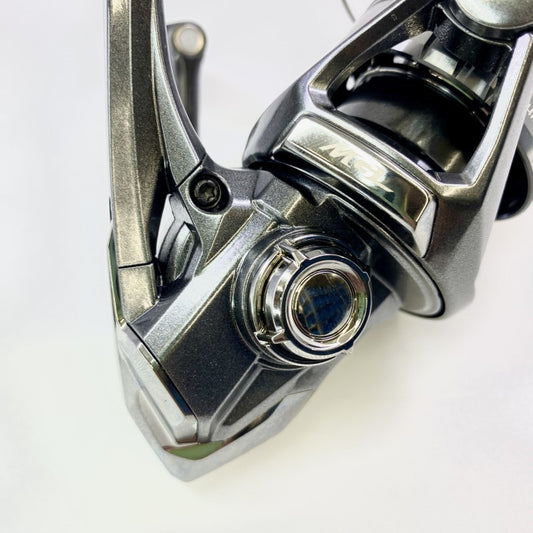
- Fishing Reels — smooth 2500–3000 size spinning reels for the method, such as the compact Shimano Complex XR 2500.
- Fishing Lines — fine PE braid and fluorocarbon leader material to complete the connection.
- SUNLINE and VARIVAS — premium leader and braid for slim, reliable knots.
- Saltwater Fishing Lures — the wider lure range if you also fish for bass or pollack between squid sessions.
FAQ
What size egi is best for UK squid fishing?
Sizes 2.5 to 3.5 cover almost all UK shore situations. Use a 3.5 in deeper water, strong tide or wind and for bigger winter squid; drop to a 2.5 in shallow, calm or pressured conditions. A 3.0 is a safe all-round starting size.
What is the best time of year to go eging in the UK?
The most consistent fishing is from autumn into winter (roughly October to February), when squid move inshore. Concentrate on the low-light windows of dusk, after dark and dawn, as squid feed most actively then.
Do I need braid for eging?
Yes — a fine PE braid (around PE 0.6–0.8) is strongly recommended. Its lack of stretch transmits the delicate take and lets you snap the egi crisply. Add a fluorocarbon leader of about 8–12 lb for invisibility and abrasion resistance.
How do you hook a squid on an egi?
You do not strike hard. Squid grab the egi on the pause and hold it with their tentacles against the upward-pointing crown of barbs. When you feel weight, sweep the rod into a smooth, firm lift and then keep constant, even pressure all the way in so the squid does not release its grip.
Can beginners catch squid on egi from the shore?
Absolutely. A harbour wall or breakwater with deep, clean water, a balanced light rod, a 2500-size reel, fine braid and a couple of size 3.0–3.5 egi is enough to get started. Master the jerk-and-pause rhythm and watch the line on the drop, and the first squid usually follows quickly.
Explore the full range and find the right setup for your next session — genuine Japanese tackle, delivered across the UK.
Shop the collection →