


LRF Fishing UK: The Complete Light Rock Fishing Setup Guide

Light Rock Fishing (LRF) is one of the most engaging ways to fish the UK coast, turning quiet harbour walls, estuary mouths and rough rock marks into year-round sport. Using ultra-light tackle and tiny lures, you target the small, hard-fighting "mini species" that most sea anglers walk straight past. This guide explains the complete LRF fishing UK setup — the rod, reel, line and lures you need — and how to match it to British species, venues and seasons. Whether you are scaling down from bass lure fishing or starting fresh, this will get you fishing effectively.
In this guide
- What is LRF and what can you catch in the UK?
- Choosing your LRF rod: solid tip vs tubular tip
- The reel: 500–2000 size spinning reels
- Line and leader: fine PE braid plus fluorocarbon
- Lures: jig heads, soft plastics and tiny metals
- Recommended tackle at Britannic Trade
- FAQ
- Start building your LRF outfit
What is LRF and what can you catch in the UK?
LRF is a finesse lure-fishing style built around very light weights — typically jig heads and lures from under 1g up to around 7g. The emphasis is on feel and presentation rather than casting distance. Around the UK coast it is a brilliant way to find fish even when the sea looks dead.
Common LRF targets in British waters include:
- Wrasse — corkwing, ballan and goldsinny over rough ground and kelp.
- Pollack and coalfish — around harbour walls, pier pilings and rock edges.
- Scad (horse mackerel) — often in numbers near harbour lights after dark in summer and autumn.
- Mackerel and garfish — through the warmer months when bait shoals push in.
- Blennies, gobies, rockling and pouting — the classic "mini species" that make LRF so addictive on a session-by-session basis.
Spring through autumn is peak season, with summer and early autumn evenings often producing the busiest sport as scad and pollack feed under harbour lights. Winter slows things down but rockling, pouting and resident wrasse can still keep a session alive.
Choosing your LRF rod: solid tip vs tubular tip
The rod is the heart of an LRF outfit. Look for a length of roughly 6 to 7.6 feet with a casting rating in the region of 0.5–7g or 1–8g — light enough to register a goby nibble, yet with enough backbone to steer a wrasse away from snags.
Solid tip rods
A solid (glass or composite) tip is very fine and supple. It loads with the lightest jig heads, shows shy bites beautifully and helps small fish stay pinned. Solid tips are the go-to for true finesse work and night sessions on scad and small pollack.
Tubular tip rods
A tubular (hollow) tip is crisper and more direct, giving better bite registration through the blank and faster lure control. It suits slightly heavier jig heads, plugs and metals, and anglers who fish more actively. Many UK LRF anglers own one of each, but if you buy a single rod, a versatile tubular-tip model in the 1–7g class covers the widest range.
Browse the full range of light spinning blanks in our Fishing Rods collection. For dedicated LRF and finesse rods, Japanese specialists such as Tict, Major Craft and PALMS lures & jigs are well worth a look.
The reel: 500–2000 size spinning reels
LRF is a small-reel discipline. A 500 to 2000-size spinning reel keeps the outfit balanced and light in the hand over a long session, and a fine, smooth spool helps you cast featherweight lures and detect subtle takes.
- 500–1000 size — the lightest, most finesse-oriented option, ideal for sub-2g work and mini species.
- 2000 size — a touch more line capacity and cranking power for wrasse, bigger pollack and breezy marks.
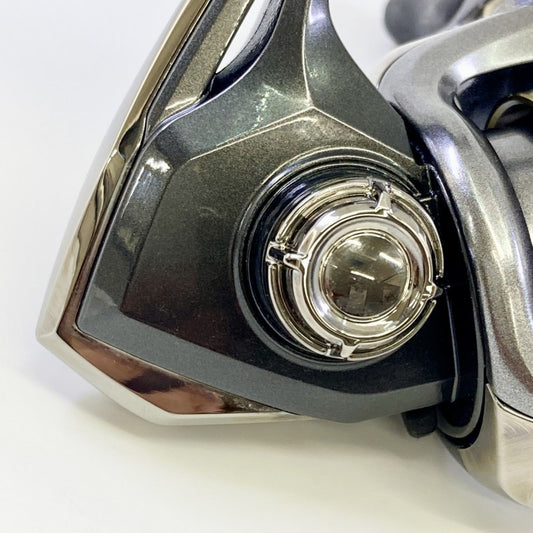
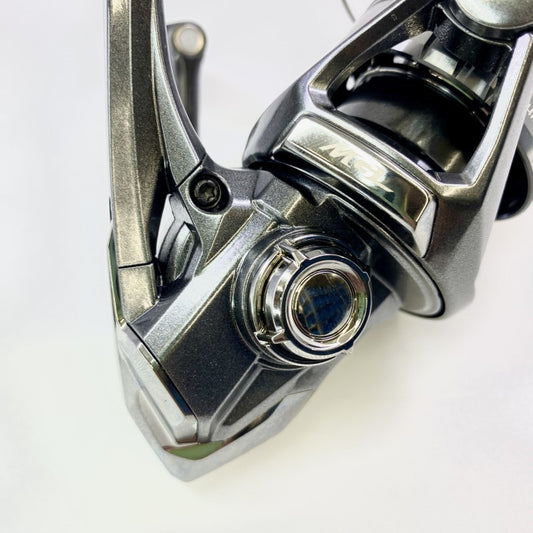
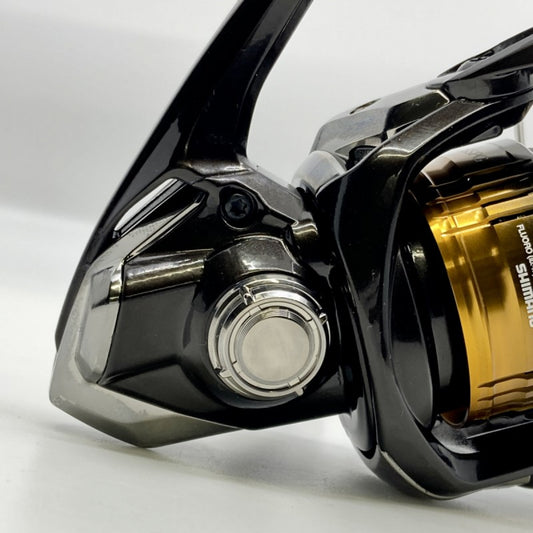
The Shimano Soare XR 500SPG is a purpose-built compact LRF reel, while the Shimano Complex XR 2500 and Shimano Soare BB C2000SSPG give you finesse options across the size range. Daiwa fans can explore light LT models such as the Daiwa Gekka Bijin X LT 2000S. Compare the full range in our Fishing Reels collection.
Line and leader: fine PE braid plus fluorocarbon
The standard LRF line setup is a fine PE (braid) mainline joined to a short fluorocarbon leader. Braid has near-zero stretch, so it transmits the tiniest knock straight to the rod tip, while the fluoro leader adds abrasion resistance against rock and a near-invisible link to the lure.
- Mainline: PE braid around 0.3–0.6 (roughly 6–12lb). It casts light lures well and cuts through tide.
- Leader: 3–8lb fluorocarbon, about a rod-length or two of leader, stepped up over rough ground.
Connect the two with a slim leader knot (the FG or a double uni work well). Quality matters here — premium Japanese lines hold their diameter and breaking strain honestly. Explore options in our Fishing Lines collection, including VARIVAS and SUNLINE for both braid and fluorocarbon leader material.
Lures: jig heads, soft plastics and tiny metals
LRF lures are small and subtle. Build a simple kit around three families:
- Jig heads — usually 0.5g to 3g. Carry a spread of weights so you can match the depth and tide on any given mark.
- Soft plastics — small worms, grubs, shads and creature baits from roughly 1–2.5 inches, often scented to encourage holding bites from wrasse and mini species.
- Tiny metals and plugs — small metal jigs and slim hard lures for scad, mackerel and pollack working the upper water column.
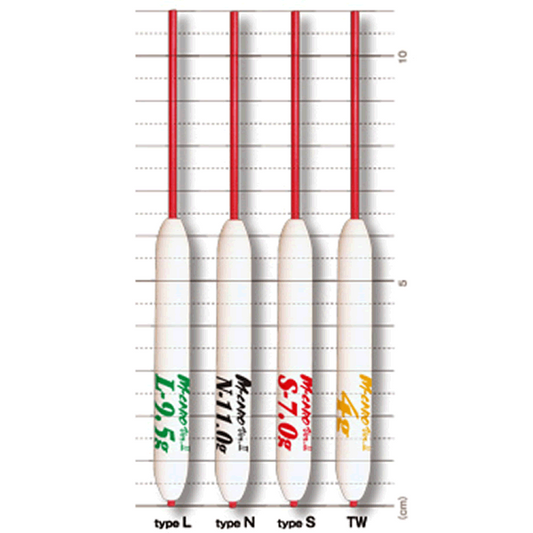
Specialist rigs such as a split shot or a small carolina-style float rig also shine in current — the Tict M-Caro is a neat sinker-rig solution for casting light lures further and fishing them deeper.
Recommended tackle at Britannic Trade





Everything you need for a balanced LRF outfit, drawn from our Japanese-brand range:
- Shimano Soare XR 500SPG reel — a compact, LRF-specific reel for finesse presentations.
- Shimano Complex XR 2500 — a light, refined spinning reel that balances neatly on an LRF rod.
- Tict — an LRF-focused brand for rods, jig heads, soft baits and the M-Caro rig system.
- Fishing Rods — light spinning blanks in solid-tip and tubular-tip actions.
- Fishing Reels — 500 to 2000-size spinning reels suited to ultra-light work.
- Fishing Lines — fine PE braid and fluorocarbon leader from premium Japanese makers.
- Saltwater Fishing Lures — soft plastics, jig heads and small metals for coastal LRF.
- BASSDAY — small metals and lures for scad, mackerel and pollack near the surface.
FAQ
What does LRF mean in fishing?
LRF stands for Light Rock Fishing — a finesse lure style using ultra-light rods, small reels, fine braid and tiny jig heads or soft plastics to catch small saltwater species from rocks, harbours and estuaries.
What is the best LRF setup for a beginner in the UK?
A versatile starting outfit is a 1–7g rod around 7 feet, a 1000–2000-size spinning reel, PE braid of about 0.4 (roughly 8lb) with a 4–6lb fluorocarbon leader, and a small selection of jig heads from 0.5g to 3g with 2-inch soft plastics.
What fish can you catch with LRF in the UK?
Typical UK LRF catches include wrasse, pollack, coalfish, scad, mackerel, garfish, and mini species such as blennies, gobies, rockling and pouting — most reliably from late spring through autumn.
Do I need braid or mono for LRF?
Most LRF anglers use a fine PE braid mainline for its lack of stretch and bite sensitivity, joined to a short fluorocarbon leader for abrasion resistance and a low-visibility presentation near the lure.
What weight jig heads are best for LRF?
Carry a range from around 0.5g to 3g. Lighter heads suit calm, shallow harbour marks and shy bites, while heavier heads help you hold bottom and beat the tide on more exposed rock marks.
Explore the full range and find the right setup for your next session — genuine Japanese tackle, delivered across the UK.
Shop the collection →