


Daiwa 24 Airity ST SF — Review, Specs & UK Buying Guide

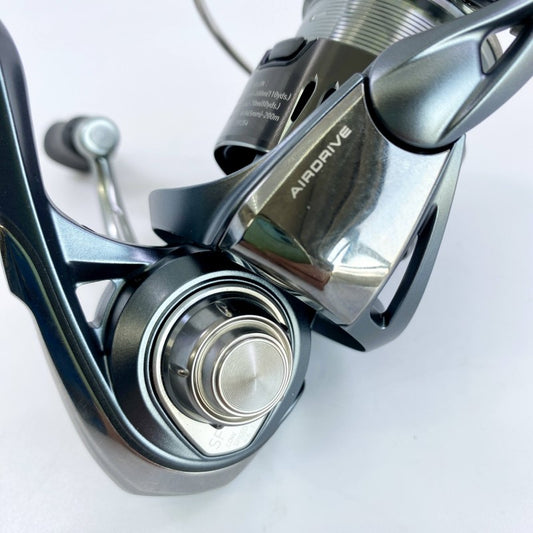
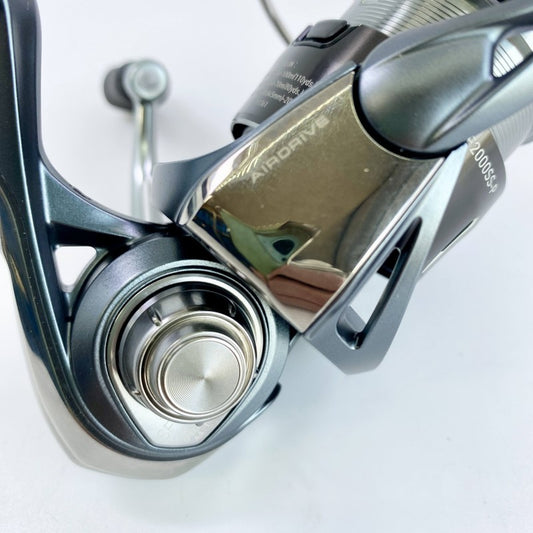
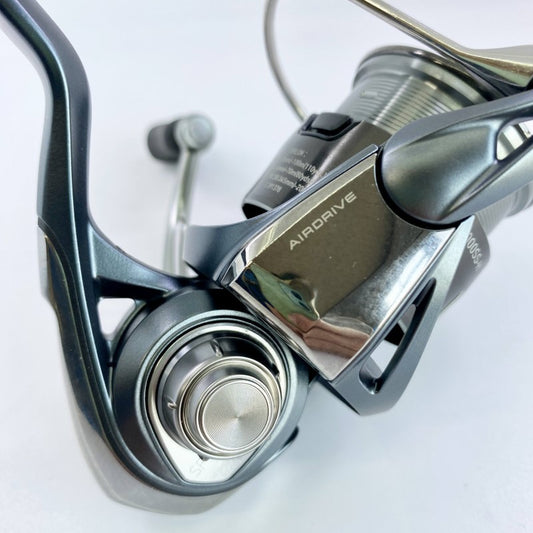
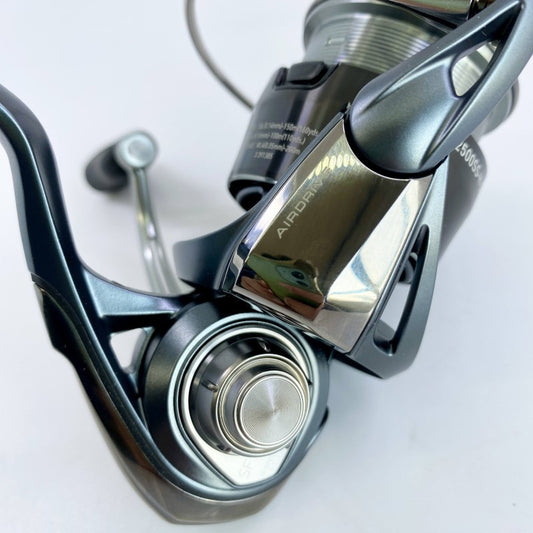
At 130 g and built around a full magnesium monocoque body, the Daiwa 24 Airity ST SF is as close to a purpose-built instrument as spinning reels get. It is not a general-purpose reel. It is not trying to be the lightest reel you can hunt with on a pier. It exists to transmit the faintest tap of a 0.3 g jig-head through an eight-pound braid and into your fingertips — at a price that reflects that singular ambition. For UK anglers into light rock fishing (LRF), area-trout, or finesse bass work, it is one of the most compelling Japanese reels available right now.
In this guide
- What does Airity ST SF actually mean?
- Who is the Daiwa 24 Airity ST SF for?
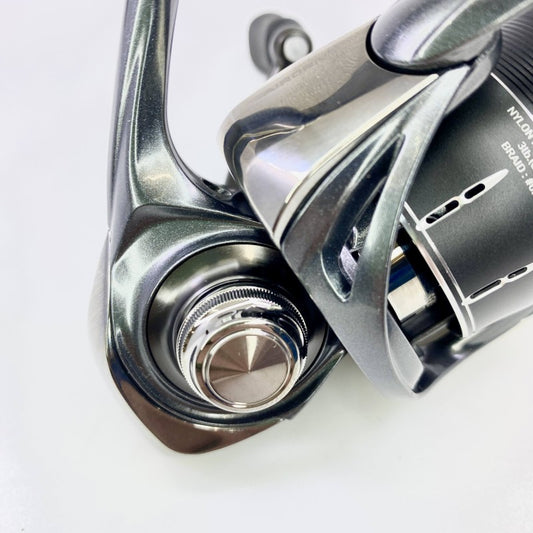
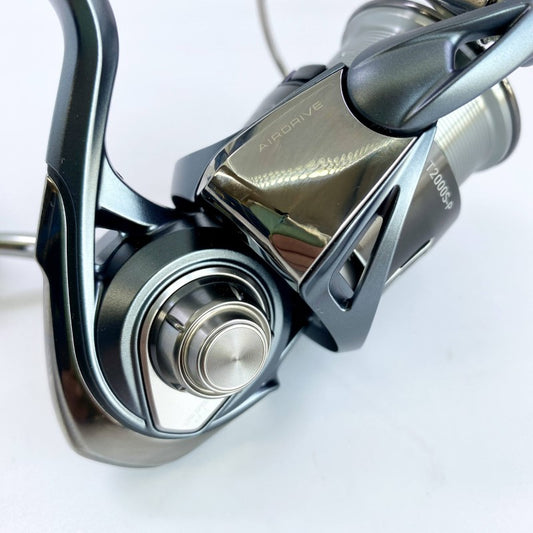
- The technology inside: monocoque body and AirDrive Design
- Full specs: all 24 Airity ST SF variants
- Which variant should you choose?
- Comparison: 24 Airity ST SF vs Luvias ST SF vs Airity LT
- Practical notes for UK anglers
- Recommended tackle at Britannic Trade
- Frequently asked questions
What does Airity ST SF actually mean?
Daiwa's model naming is dense but logical once you decode it.
- Airity — Daiwa's flagship lightweight spinning range, sitting above the Luvias and Freams. "Airity" signals a monocoque magnesium body as standard across the line.
- ST — Sensitive Tune — a factory modification that swaps the standard grease-lubricated ball bearings for low-viscosity oil bearings throughout the reel. The result is a measurably lighter, freer rotation — at the deliberate cost of some longevity compared to a greased spec. Daiwa also removes the MagShield seal from the pinion bearing in ST models, shaving a small amount of rotational drag and mass. This is a reel tuned to feel, not to last through years of neglect.
- SF — Super Finesse — a spool and body configuration change. SF models use a shallower, smaller-diameter spool (42 mm on the 2000SS) than the equivalent LT (Light Tough) size, paired with a shorter main shaft. The drag ceiling drops to 3 kg versus 5 kg on LT models, but the spool diameter reduction lowers line-lay angle, reduces friction on cast, and cuts oscillation weight. The reel body is also trimmed accordingly. The outcome is a reel that weighs 130 g across the SF range — compared to 145 g for the ST LT2000S-P, and around 150–160 g for a standard Airity LT.
Put ST and SF together and you have a reel that is oil-tuned for low inertia and built in a super-finesse configuration. Daiwa's own engineers have described the ST SF combination as "F1 car" thinking — maximal for a narrow purpose.
Who is the Daiwa 24 Airity ST SF for?
This reel suits anglers who fish at least one of these disciplines seriously:
- Area trout (管理釣り場) — the 1000S-P and 2000SS-P low-gear variants (4.6:1) are textbook area-trout sizes. The shallow spool loads #0.3–0.6 PE neatly, the 3 kg drag is more than adequate for stocked rainbows up to 2 kg, and 130 g all day on a 50 g rod is genuinely comfortable.
- Light rock fishing (LRF) — the 2000SS-H (5.7:1) and 2500SS-H-QD fast-retrieve variants suit the lift-drop, jig-head spinning, and small soft-plastic work that defines modern UK LRF. The #0.3–#0.4 PE capacity is ideal for targeting wrasse, blennies, small bass, and pollock on 1–5 g lures.
- Finesse freshwater lure fishing — ajing, mebaru (rockfish), and light drop-shotting for perch and zander all benefit from the ST SF's sensitivity and its smooth ATD Type-L drag.
- Ultralight spinning on rivers — the 1000S-P in particular is a credible match for small-stream trout and grayling on micro-spinners and 1–3 g minnows.
If you fish heavier than 10 g lures regularly, need a drag above 3 kg, or want a reel that tolerates salt without careful rinsing, the ST LT or standard Airity LT will serve you better.
The technology inside: monocoque body and AirDrive Design
Monocoque magnesium body
Standard Daiwa reels use a multi-piece body — a frame plus separate side plates — that relies on the assembled join for rigidity. The Airity's monocoque body is machined as a single piece of magnesium alloy, with the main gear and bearing housing carved from the same block. This eliminates the flex that occurs at a bolted seam, giving a more direct gear-to-spool power transfer and — just as importantly for a finesse reel — a crisper vibration path from the line to your hand.
AirDrive Design
AirDrive is Daiwa's collective name for four redesigned components that all contribute to reducing rotating mass:
- AirDrive Rotor — made from Zaion V (Daiwa's carbon-composite polymer), 16% lighter than the previous generation rotor while maintaining torsional rigidity under load.
- AirDrive Bail — 33% lighter than a conventional bail arm, with a revised line-roller angle that reduces lay-on friction at cast.
- AirDrive Spool — shallower skirt, reduced oscillation weight, optimised for #0.3–#0.4 PE at low line-lay angles.
- AirDrive Shaft — a non-contact bearing structure between the mainshaft and pinion reduces mechanical drag on retrieve and quietens the rotation.
Combined, these changes lower the reel's moment of inertia — meaning it starts and stops rotation with less effort. In finesse fishing, where you are frequently twitching and pausing a sub-2 g lure, that low inertia is not a marginal gain; it changes how the reel handles.
ST bearing specification
The SF models carry 10 ball bearings plus one roller bearing (10+1). Five of those ball bearings are CRBB (Corrosion-Resistant Ball Bearings, stainless), five are oil-spec for the ST tuning, and one is the standard anti-reverse roller. In practice this means the reel turns with an almost eerie smoothness out of the box — but you should rinse and re-oil it after salt-water sessions, because oil bearings will corrode or dry faster than grease under neglect.
ATD Type-L drag
The ATD (Automatic Tournament Drag) Type-L system is calibrated specifically for the 3 kg maximum of the SF spool. It uses a softer carbon-fibre drag washer stack that allows for very fine micro-adjustment at low drag settings — the range most finesse anglers actually fish in (0.3–1 kg). Cranking down to use this reel as a sea-fishing drag unit would be misusing it; the design intent is precision at the light end.
Full specs: all 24 Airity ST SF variants
| Model | Gear ratio | Weight | Max drag | Bearings | PE capacity | Mono capacity | Price (BRT) |
|---|---|---|---|---|---|---|---|
| SF 1000S-P | 4.6:1 | 130 g | 3 kg | 10+1 | #0.3 / 200 m | 2.5 lb / 100 m | £388 |
| SF 2000SS-P | 4.6:1 | 130 g | 3 kg | 10+1 | #0.3 / 200 m | 2.5 lb / 100 m | £388 |
| SF 2000SS-H | 5.7:1 | 130 g | 3 kg | 10+1 | #0.3 / 200 m | 2.5 lb / 100 m | £388 |
| SF 2500SS-H-QD | 5.7:1 | 135 g | 3 kg | 10+1 | #0.4 / 200 m | 3 lb / 165 m | £402 |
-P suffix = power handle (shorter, more torque). -H suffix = high gear. -QD = Quick Drop spool-release function. -SS suffix = shallow spool.
Which variant should you choose?
SF 1000S-P — area trout and river ultralight
The smallest body in the SF lineup. Choose this if you fish stocked trout waters where compact gear matters and casts rarely exceed 20 m. The power handle and 4.6:1 gearing let you slow-retrieve a 0.5 g spoon at a genuine crawl. Less ideal for coastal LRF where you might need quick line recovery after a strike.
SF 2000SS-P — versatile finesse allrounder
The most popular SF size. The 2000SS body paired with the power handle gives you enough retrieve length (60 cm per turn) for light lure fishing, while the low gear ratio suits methodical area-trout presentations. This is the first model most anglers should consider if they fish multiple finesse styles.
SF 2000SS-H — LRF and mebaru specialist
Same body and weight as the 2000SS-P but with 74 cm retrieve per handle turn — the choice for LRF anglers who want to work jig-heads quickly up through the water column, or for ajing where fast erratic retrieves trigger reaction strikes. The 5.7:1 ratio gives you speed without the added mass of the 2500.
SF 2500SS-H-QD — bigger water, bigger lures
At 135 g and with a slightly deeper spool, the 2500 extends the SF's range toward 5–10 g lures and longer-cast LRF. The QD (Quick Drop) function releases the spool with a lever press for fast-drop presentations on vertical structure. It adds 5 g over the smaller SF models but covers more situations — a sensible choice for anglers who also fish larger harbours and rocky headlands.
Comparison: 24 Airity ST SF vs Luvias ST SF vs Airity LT
| Reel (2000-class comparison) | Weight | Max drag | Gear ratio | Bearings | Price (BRT) | Best for |
|---|---|---|---|---|---|---|
| 24 Airity ST SF 2000SS-P | 130 g | 3 kg | 4.6:1 | 10+1 | £388 | Area trout, LRF, finesse — ultimate sensitivity |
| 24 Luvias ST SF 2000SS-P | approx. 140 g | 3 kg | 4.6:1 | 8+1 | £302 | Area trout, finesse — excellent value, fewer bearings |
| 24 Airity ST LT2000S-P | 145 g | 5 kg | 4.9:1 | 11+1 | £388 | Light shore, LRF where more drag and depth needed |
| 23 Airity LT2000S-P (standard) | 145 g | 5 kg | 4.9:1 | 11+1 | £393 | General light lure fishing, greased bearings, more durable |
Weight for 24 Luvias ST SF 2000SS-P is sourced from third-party spec listings; Britannic Trade PDP does not list weight. All other figures verified from official Daiwa spec sheets and confirmed live product pages on britannictrade.co.uk.
Airity ST SF vs Luvias ST SF: the key trade-off
The Luvias ST SF sits one tier below the Airity in Daiwa's hierarchy. Both reels use oil-tuned bearings (ST spec) and the same SF spool configuration. The differences are structural: the Airity uses a full magnesium monocoque body; the Luvias uses a polycarbonate/aluminium frame. The Airity also carries 10+1 bearings versus 8+1 on the Luvias. In practical fishing, the Airity's monocoque body provides slightly crisper vibration transmission and marginally better gear meshing under load. For most casual finesse anglers, the Luvias ST SF at £302 is genuinely excellent — the Airity's £86 premium buys you a stiffer chassis and two extra bearings, which matters most to anglers who fish light lures daily and want every last signal from the line.
Airity ST SF vs Airity ST LT: drag or delicacy?
This is the most common question among anglers new to the SF designation. The ST LT2000S-P weighs 145 g (15 g more than the SF), runs a 4.9:1 gear ratio, and offers 5 kg of drag — almost double the SF's 3 kg ceiling. If you fish heavier braid, bigger lures (5–15 g), or target larger coastal species, the LT configuration is more appropriate. The SF wins on pure weight and sensitivity with micro-lures below 5 g, where 3 kg of drag is not a real-world limitation.
Practical notes for UK anglers
Line recommendation
The SF spool is designed around #0.3–#0.4 PE braid. In UK terms that is approximately 6–8 lb braid. Varivas and Daiwa own-brand light PE lines are well-matched to the spool geometry. Add a 3–5 lb fluorocarbon leader of 50–80 cm for LRF work; for area trout, a 2.5–4 lb mono or fluorocarbon leader suits most UK managed fisheries.
Saltwater care
The ST tuning removes MagShield from the pinion bearing. This does not make the reel fragile, but it does mean a fresh-water rinse after every salt session matters more than on a standard MagSealed reel. Allow it to air-dry with the drag loosened. The bearings will perform best re-oiled annually with Daiwa genuine reel oil if you fish salt regularly.
Rod pairing
For LRF: a 6–7 ft rod rated 0.5–7 g in the 60–80 g class brings the best out of the 2000SS-H. For area trout: a 60 cm ultralight 4–6 ft rod in the 0.4–5 g range pairs naturally with the 1000S-P or 2000SS-P. The reel's light weight means it will not unbalance even a 50 g rod.
Recommended tackle at Britannic Trade






Browse the full Daiwa collection for matching lines and accessories.
Frequently asked questions
Is the Daiwa 24 Airity ST SF worth it?
At £388 it is a serious investment, but the Airity ST SF occupies a genuine gap in the market: a full monocoque magnesium reel, oil-tuned to ST spec, in a 130 g SF body. No direct European equivalent matches that combination at the same weight class. If you fish area trout or LRF more than twenty days a year and currently use a £100–200 reel, the upgrade in sensitivity and fatigue reduction is tangible. If you fish occasionally, the Luvias ST SF at £302 delivers most of the experience for less outlay.
What is the difference between the Airity ST SF and the Luvias ST SF?
Both are oil-tuned ST reels in a super-finesse SF configuration. The core differences are body construction and bearings: the Airity uses a full magnesium monocoque body (stiffer, lighter, better vibration transmission) and 10+1 bearings, while the Luvias uses a composite-frame body and 8+1 bearings. The Airity weighs approximately 10 g less and costs £86 more. For most anglers the Luvias ST SF is the better starting point; the Airity ST SF is the upgrade once you know you want that last increment of performance.
What does SF mean on Daiwa reels?
SF stands for Super Finesse — a specific spool and body configuration for ultralight lure work. SF models use a smaller-diameter, shallower spool than the equivalent LT (Light Tough) size, reducing weight, line-lay angle, and oscillation drag. The maximum drag is 3 kg (versus 5 kg on LT versions), and the body is trimmed accordingly. SF models are optimised for #0.3–#0.4 PE braid and lures below roughly 7 g.
Is the Daiwa Airity ST SF good for LRF and area trout?
It is specifically designed for those disciplines. For LRF, the 2000SS-H (5.7:1) gives quick retrieve for jig-head work, the 10+1 bearing count keeps the retrieve silky, and the 3 kg drag handles anything you are likely to encounter in UK light-rock fishing. For area trout, the 1000S-P and 2000SS-P power-handle variants at 4.6:1 let you fish slow presentations with micro-spoons at the crawl speed stocked fish often require. The 130 g body weight also means extended sessions on an ultralight rod remain comfortable.
What does ST mean on Daiwa reels?
ST stands for Sensitive Tune. Daiwa's factory ST modification changes the grease-lubricated bearings to low-viscosity oil bearings across the reel, and removes the MagShield seal from the pinion bearing. The result is a freer, lighter rotation with lower start-up inertia — but at a cost: oil bearings dry faster than grease and are more vulnerable to salt-water intrusion without maintenance. ST reels reward anglers who take care of their gear and prioritise feel over longevity.
Which Airity ST SF size should I buy?
Start with the 2000SS-P if you want one reel for both LRF and light freshwater work — the 4.6:1 gear ratio is versatile and the 2000SS body balances most 6–7 ft finesse rods well. Choose the 2000SS-H if you fish LRF primarily and prefer a faster retrieve (5.7:1, 74 cm per turn). Choose the 1000S-P if your fishing is almost entirely area trout or river ultralight under 3 g. Go for the 2500SS-H-QD if you want the widest range — bigger lures, longer casts, and the QD spool-release feature for vertical presentations.
Explore the full range and find the right setup for your next session — genuine Japanese tackle, delivered across the UK.
Shop the collection →